Machine Learning vs Deep Learning: What’s the Difference?

Machine Learning (ML) and Deep Learning (DL) are closely related fields under the umbrella of Artificial Intelligence, but they differ in how they learn from data and how much human guidance they need.

Machine Learning: Learning with Human Guidance

Machine Learning is a method where computers learn patterns from data to make predictions or decisions without being explicitly programmed for every task.

In traditional ML:

  • Humans select and design features (important input details).
  • The model learns patterns based on those features.
  • Works well with smaller to medium-sized datasets.

Example:
To detect spam emails, engineers might manually identify features like:

  • Number of links
  • Presence of certain keywords
  • Email sender reputation

Common ML algorithms include:

  • Decision Trees
  • Support Vector Machines (SVM)
  • Logistic Regression
  • Random Forests

Deep Learning: Learning Like a Human Brain (Neural Networks)

Deep Learning is a specialized subset of Machine Learning that uses neural networks with many layers (hence “deep”) to automatically learn patterns from raw data.

In deep learning:

  • The system automatically learns features (no manual feature engineering needed).
  • Requires large amounts of data and high computing power.
  • Excels in complex tasks like images, speech, and natural language.

Example:
For image recognition, instead of telling the model what to look for, it learns:

  • edges → shapes → objects → meaning (step by step)

Common deep learning models include:

  • Convolutional Neural Networks (CNNs) – image tasks
  • Recurrent Neural Networks (RNNs) – sequence data
  • Transformers – language models (like chatbots)

Key Differences Between ML and DL

FeatureMachine LearningDeep Learning
Feature selectionManually doneAutomatically learned
Data requirementWorks with less dataNeeds large datasets
HardwareCan run on CPUsOften needs GPUs/TPUs
PerformanceGood for simpler tasksBest for complex tasks
InterpretabilityMore explainableOften a “black box”

Relationship Between ML and DL

Deep Learning is actually a subset of Machine Learning.

Think of it like this:

  • Artificial Intelligence → the big umbrella
  • Machine Learning → a branch of AI
  • Deep Learning → a deeper branch inside ML

So all deep learning is machine learning, but not all machine learning is deep learning.


In Simple Terms

  • Machine Learning: You guide the computer on what to look for.
  • Deep Learning: The computer figures out what to look for on its own.
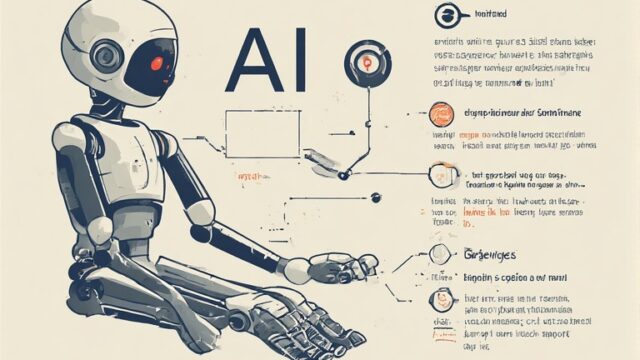
Beginner’s Guide to AI: What You Need to Know in Simple Terms

Artificial Intelligence (AI) is no longer a futuristic idea—it’s part of everyday life. From unlocking your phone with face recognition to getting personalized recommendations on Netflix or YouTube, AI is already working behind the scenes. But for beginners, it can feel confusing or overly technical. This guide breaks it down in simple terms so you can understand what AI really is, how it works, and why it matters.


What is Artificial Intelligence?

Artificial Intelligence is the ability of machines or software to perform tasks that normally require human intelligence. These tasks include learning, problem-solving, understanding language, recognizing images, and making decisions.

In simple terms, AI is when computers are trained to “think” and “learn” from data so they can do things on their own without being explicitly programmed for every step.


How Does AI Actually Work?

AI works by using large amounts of data and algorithms (step-by-step instructions) to find patterns.

Here’s a simple breakdown:

  • Data Input: AI systems are fed massive amounts of information (text, images, videos, etc.).
  • Learning Patterns: The system analyzes the data to find patterns and relationships.
  • Making Predictions: Based on what it has learned, AI makes decisions or predictions.
  • Improving Over Time: The more data it processes, the smarter it becomes.

For example, if you keep watching cooking videos, AI learns your interest and suggests similar content.


Types of AI You See in Daily Life

AI is not just one thing—it appears in different forms:

1. Narrow AI

This is the most common type of AI today. It is designed for specific tasks like voice assistants, chatbots, or recommendation systems.

2. Machine Learning

A subset of AI where systems learn from data instead of being directly programmed. For example, spam filters in email.

3. Deep Learning

A more advanced form of machine learning that uses neural networks, similar to how the human brain works. It powers things like facial recognition and self-driving technology.


Real-World Examples of AI

You probably use AI more than you realize:

  • Voice assistants like Siri or Google Assistant
  • Social media feeds that show personalized content
  • Online shopping recommendations on Amazon or Flipkart
  • Navigation apps like Google Maps
  • Chatbots on websites for customer support

AI is silently improving convenience and speed in many daily activities.


Why AI is Important

AI is changing the way the world works. Here’s why it matters:

  • Saves time: Automates repetitive tasks
  • Improves accuracy: Reduces human errors
  • Boosts productivity: Helps businesses work faster and smarter
  • Enhances decision-making: Uses data to provide better insights
  • Drives innovation: Powers new technologies like self-driving cars and smart devices

Should Beginners Learn AI?

Yes—AI is becoming a valuable skill in many industries. You don’t need to be a tech expert to start. Beginners can begin with:

  • Basic computer knowledge
  • Understanding data and logic
  • Learning simple tools like ChatGPT, Excel AI features, or beginner coding platforms

Over time, you can explore programming languages like Python or dive into machine learning concepts.


Conclusion

Artificial Intelligence may sound complex, but at its core, it’s just technology designed to learn and make decisions like humans. As AI continues to grow, understanding the basics will help you stay ahead in both your personal and professional life. Whether you’re a student, professional, or curious learner, AI is worth exploring because it’s shaping the future right now.