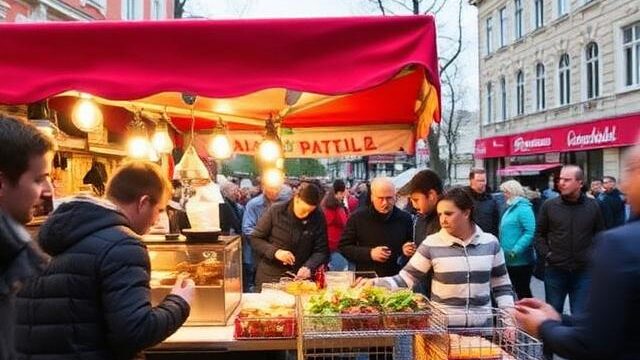
Poland is often celebrated for its rich culinary heritage, hearty traditional meals, and welcoming hospitality. In recent years, however, the country’s street food culture has undergone a remarkable transformation. From bustling city squares to trendy food truck festivals, modern Polish street food blends old traditions with global influences, creating an exciting culinary scene that attracts both locals and tourists.
The Rise of Street Food in Poland
Street food in Poland was once associated mainly with quick snacks sold at small kiosks or market stalls. Today, it has evolved into a vibrant industry filled with creative chefs, gourmet food trucks, and innovative recipes. Cities like Warsaw, Kraków, and Wrocław have become hotspots for food lovers seeking affordable and delicious meals on the go.
Young entrepreneurs and chefs have helped modernize the scene by combining traditional Polish ingredients with international cooking styles. Food festivals and open-air markets now play a major role in urban culture across the country.
Traditional Polish Street Foods
Despite the modernization, classic Polish street foods remain highly popular. One of the most iconic snacks is Zapiekanka, often described as Poland’s answer to pizza. It usually consists of a toasted baguette topped with mushrooms, cheese, ketchup, and various additional ingredients.
Another beloved dish is Pierogi, which can be filled with potatoes, cheese, meat, mushrooms, or fruit. While pierogi are traditionally homemade, many street vendors now serve creative versions with modern flavors.
Polish sausages, known as Kielbasa, are also common at food stalls and markets. They are often grilled fresh and served with mustard, bread, or pickles.
International Influences on Modern Polish Street Food
Modern Polish street food is no longer limited to traditional dishes. Influences from Asia, the Middle East, and the Americas have become increasingly visible in major cities. Burgers, tacos, ramen, kebabs, and sushi-inspired snacks are now part of the urban food landscape.
Many Polish chefs enjoy experimenting by combining international techniques with local ingredients. For example, vendors may serve pierogi with spicy Asian sauces or gourmet burgers featuring smoked Polish cheese and regional meats.
This fusion of cultures reflects Poland’s growing cosmopolitan identity and the changing tastes of younger generations.
Food Truck Festivals and Night Markets
Food truck festivals have become one of the biggest trends in modern Poland. During spring and summer, public parks and city centers host events where dozens of vendors gather to serve unique dishes. These festivals are more than just food markets — they are social events featuring music, art, and entertainment.
Night markets are also increasingly popular, especially in large cities. They provide an opportunity for visitors to explore a wide variety of foods in one location while enjoying a lively atmosphere.
The Role of Social Media
Social media has played a huge role in promoting Poland’s street food culture. Instagram, TikTok, and food blogs help vendors gain popularity quickly. Many food trucks and market stalls focus not only on taste but also on visual presentation to attract online attention.
Food influencers frequently share recommendations for hidden gems, helping small businesses grow and encouraging culinary tourism throughout Poland.
Street Food as a Cultural Experience
Street food in modern Poland is more than simply fast meals. It represents creativity, community, and the blending of tradition with innovation. Tourists can experience authentic local flavors while also discovering modern interpretations of Polish cuisine.
As Poland continues to evolve culturally and economically, its street food scene is likely to become even more diverse and internationally recognized.