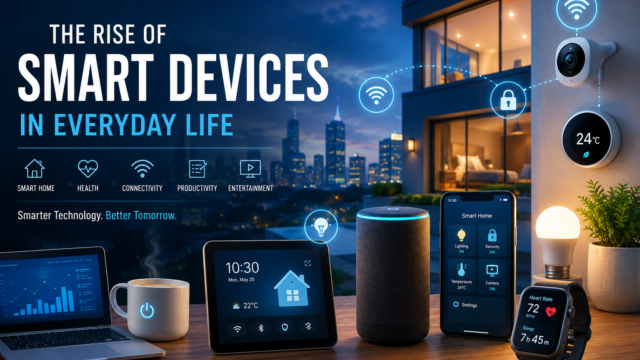
Smart devices have become an essential part of modern life. From smartphones and smartwatches to intelligent home appliances and voice assistants, these connected technologies have transformed how people communicate, work, learn, shop, and entertain themselves. Thanks to rapid advancements in artificial intelligence (AI), the Internet of Things (IoT), cloud computing, and wireless connectivity, smart devices are becoming more intelligent, efficient, and personalized than ever before.
In recent years, the adoption of smart technology has accelerated worldwide. Homes are becoming smarter, workplaces more productive, and healthcare more accessible through connected devices. As technology continues to evolve, smart devices are expected to play an even bigger role in shaping our daily experiences.
📲 What Are Smart Devices?
Smart devices are electronic gadgets that can connect to the internet or other devices, collect data, process information, and perform tasks automatically or with minimal human intervention.
Common examples include:
- Smartphones
- Smart TVs
- Smartwatches
- Fitness trackers
- Smart speakers
- Smart home security cameras
- Smart thermostats
- Smart lights
- Smart refrigerators
- Robot vacuum cleaners
These devices often communicate through Wi-Fi, Bluetooth, Zigbee, or other wireless technologies.
🌐 The Evolution of Smart Technology
Technology has evolved dramatically over the past two decades.
Early 2000s
- Mobile phones focused mainly on calls and text messaging.
- Internet access was limited.
2010s
- Smartphones became powerful pocket computers.
- Mobile apps transformed communication and entertainment.
- Cloud storage enabled seamless synchronization.
Today
- AI-powered assistants understand voice commands.
- Smart homes automate everyday tasks.
- Wearables monitor health continuously.
- Connected vehicles provide intelligent navigation and safety.
The integration of AI has made smart devices more capable of learning user preferences and adapting over time.
🏠 Smart Homes: Making Everyday Living Easier
One of the biggest trends is the rise of smart homes.
Smart Lighting
Smart bulbs allow users to:
- Control lights remotely
- Adjust brightness
- Change colors
- Schedule lighting routines
- Save electricity
Smart Thermostats
These devices learn household habits and automatically adjust temperatures, improving comfort while reducing energy consumption.
Smart Security Systems
Modern home security includes:
- Smart doorbells
- Motion detectors
- Security cameras
- Smart locks
- Real-time smartphone alerts
These systems help homeowners monitor their property from anywhere.
Smart Appliances
Today’s appliances include:
- Refrigerators that monitor food inventory
- Washing machines controllable via smartphone
- Coffee makers with scheduled brewing
- Smart ovens with remote cooking controls
These innovations simplify daily household tasks.
📱 Smartphones: The Center of Digital Life
Smartphones remain the most widely used smart device.
They combine numerous functions into one portable device:
- Phone calls
- Video conferencing
- Navigation
- Banking
- Shopping
- Photography
- Entertainment
- Education
- Health monitoring
Modern smartphones also integrate AI features such as:
- Voice assistants
- Image recognition
- Live translation
- Spam call detection
- Personalized recommendations
⌚ Wearable Smart Devices
Wearable technology has become increasingly popular.
Smartwatches
Modern smartwatches provide:
- Heart rate monitoring
- Sleep tracking
- Fitness coaching
- GPS navigation
- Contactless payments
- Call notifications
Fitness Trackers
Fitness bands help users:
- Count steps
- Measure calories burned
- Monitor workouts
- Track stress levels
- Encourage healthy habits
Many healthcare providers are beginning to use wearable data to support preventive care.
🚗 Smart Devices in Transportation
Transportation has become smarter through connected technologies.
Examples include:
- GPS navigation
- Real-time traffic updates
- Driver assistance systems
- Connected dashboards
- Electric vehicle monitoring
- Remote vehicle diagnostics
Some vehicles can even receive software updates remotely, adding new features without visiting a service center.
🎓 Smart Devices in Education
Education has experienced a digital transformation.
Students now use:
- Tablets
- Laptops
- Interactive whiteboards
- Digital notebooks
- AI learning assistants
- Smart projectors
Benefits include:
- Online learning
- Personalized education
- Interactive lessons
- Instant access to information
- Better collaboration
Smart devices have made education more flexible and accessible worldwide.
💼 Smart Devices in the Workplace
Businesses rely heavily on connected technology.
Common workplace smart devices include:
- Video conferencing systems
- Smart displays
- Wireless presentation tools
- Digital whiteboards
- AI meeting assistants
- Smart office lighting
Benefits include:
- Improved collaboration
- Higher productivity
- Remote work support
- Faster communication
- Better resource management
🏥 Smart Healthcare
Healthcare is becoming increasingly connected.
Examples include:
- Remote patient monitoring
- Digital thermometers
- Smart glucose monitors
- Blood pressure monitors
- Connected ECG devices
- Medication reminders
Doctors can monitor patient data remotely, enabling earlier intervention and better long-term care management.
🛒 Smart Shopping
Retail businesses use smart technology to improve customer experiences.
Examples include:
- Mobile payment systems
- Smart shopping carts
- Personalized recommendations
- Digital price tags
- Self-checkout systems
- Inventory automation
Consumers enjoy faster, more convenient shopping experiences both online and in stores.
🤖 Artificial Intelligence Powers Smart Devices
Artificial Intelligence is the engine behind many smart technologies.
AI enables devices to:
- Recognize voices
- Understand natural language
- Detect faces
- Learn user habits
- Predict needs
- Automate repetitive tasks
Examples include:
- Voice assistants answering questions
- Cameras recognizing familiar faces
- Smart speakers controlling home devices
- Phones organizing photos automatically
As AI continues to improve, smart devices will become even more personalized.
🌍 Internet of Things (IoT)
The Internet of Things connects billions of devices worldwide.
IoT allows devices to:
- Share information
- Work together
- Automate processes
- Improve efficiency
For example:
A smart thermostat can detect when everyone leaves home, adjust the temperature, and coordinate with smart blinds and lighting to save energy.
🔒 Privacy and Security Challenges
While smart devices offer many benefits, they also introduce security risks.
Common concerns include:
- Data privacy
- Hacking
- Weak passwords
- Unauthorized access
- Data collection
- Identity theft
Users should:
- Enable two-factor authentication
- Install software updates
- Use strong passwords
- Review privacy settings
- Secure home Wi-Fi networks
Responsible cybersecurity practices help protect personal information.
🌱 Smart Devices and Sustainability
Smart technology can contribute to environmental sustainability.
Examples include:
- Smart irrigation systems reducing water waste
- Energy-efficient lighting
- Intelligent thermostats
- Smart electricity meters
- Connected renewable energy systems
These technologies help conserve natural resources while lowering utility costs.
🚀 Future Trends
The future of smart devices looks promising.
Emerging developments include:
AI Everywhere
Devices will become more proactive and context-aware.
Smarter Homes
Homes will automate more daily routines with less manual input.
Advanced Healthcare
Continuous health monitoring may help detect illnesses earlier.
Better Connectivity
Faster wireless networks will support more connected devices with lower latency.
Smart Cities
Urban areas will use connected infrastructure for traffic management, waste collection, public safety, and energy efficiency.
Human-Centered Technology
Future devices are expected to become more intuitive, accessible, and energy-efficient, adapting to users’ needs while emphasizing privacy and responsible AI.
🌟 Benefits of Smart Devices
Smart devices offer numerous advantages:
- Increased convenience
- Better productivity
- Improved communication
- Enhanced home security
- Health and fitness tracking
- Energy savings
- Personalized experiences
- Time-saving automation
- Remote access and control
- Improved accessibility for many users
⚠️ Potential Drawbacks
Despite their benefits, smart devices also have limitations.
Some challenges include:
- Privacy concerns
- Cybersecurity risks
- Device compatibility issues
- Internet dependency
- High initial costs
- Frequent software updates
- Electronic waste
- Digital distractions
Balancing convenience with responsible use is essential.
🎯 Conclusion
Smart devices have transformed nearly every aspect of modern life, from communication and education to healthcare, transportation, and home management. Powered by artificial intelligence, cloud computing, and the Internet of Things, these technologies offer greater convenience, efficiency, and personalization than ever before.
As innovation continues, smart devices will become even more integrated into our daily routines, helping us make informed decisions, automate repetitive tasks, and stay connected. At the same time, users, businesses, and governments must address privacy, cybersecurity, and sustainability challenges to ensure technology remains safe, ethical, and beneficial for everyone. By using smart devices thoughtfully and securely, individuals can enjoy the advantages of a more connected and intelligent future.